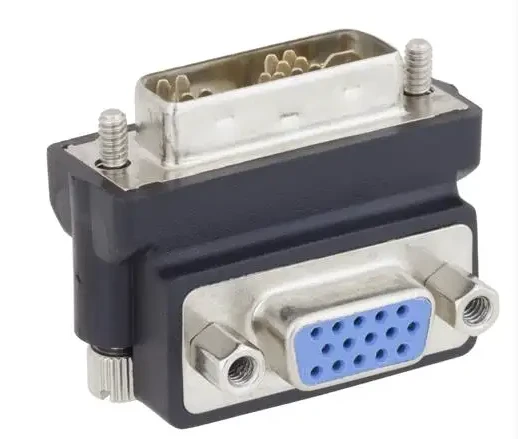
DVI is an undeniable presence in audio and video interfaces, distinguishing the granular and mundane viewing experience from the captivating and impressive clear visual effects. DVI interface is not just a technology, it is the lifeline for maintaining image clarity and seamless video. Understanding the working principle of DVI connectors is the first step in ensuring that each pixel emits light every time.
一, The working principle of DVI connector
Its core is the Digital Visual Interface (DVI) connector, designed to transmit video data between devices. Its uniqueness lies in its ability to process both analog and digital signals, which gives it unique advantages in various applications.
In one of the video connectors, you will find a series of pins, each with a specific function to ensure accurate transmission of video signals. For digital signals, connectors use Transition Minimized Differential Signaling (TMDS) to transmit data. This method can reduce electromagnetic interference as it moves from the source device (such as a computer) to the display (such as a monitor or projector).
When processing analog signals, the working principle of this connector is similar to the old VGA connector, but its performance has been improved. It uses analog pins to transmit the red, green, and blue components of the video signal, as well as synchronization signals, ensuring that the image seen is clear and accurate.
Whether displaying detailed graphic designs or streaming high-definition videos, these connectors ensure smooth and latency free video output, even in demanding environments.
It is important to understand the different types of DVI connectors and how each connector meets the specific needs of digital and analog signals in order to fully understand their multifunctionality.
二, Connector type
There are three main types of connectors: DVI-A, DVI-D, and DVI-I. Each type of connector has a different purpose and can meet the specific needs of digital and analog signals.
1. DVI-A (Analog): As the name suggests, DVI-A is used to transmit analog signals. It is essentially a replacement for traditional VGA connectors, providing better signal quality due to its newer design. However, DVI-A is not commonly used today as most modern devices support digital signals.
2. DVI-D (Digital): DVI-D is specifically designed for digital signals and is the preferred format for modern displays. This type of DVI connector ensures that the signal remains in digital form from the source to the display, thereby reducing the risk of signal quality degradation. DVI-D connectors are popular in environments where image quality is crucial, such as gaming, graphic design, and professional video production.
3. DVI-I (Integrated): The DVI-I connector is a hybrid connector that supports both analog and digital signals. This makes it a highly versatile option, allowing it to connect to various devices. DVI-I connectors often appear on devices that require compatibility with old pure analog displays while also supporting modern digital displays.
Now that we have introduced different types of connectors, let's delve into the benefits of these connectors becoming valuable tools in both professional and everyday applications.
三, The benefits of using digital visual interface connectors
A key advantage of this connector is its ability to transmit high-quality video signals over longer distances without causing significant quality loss. This is particularly important in professional environments, as the integrity of video signals can affect the overall effectiveness of presentations or broadcasts.
Another advantage is the compatibility of the connector with both old and new technologies. For example, DVI to HDMI adapters are commonly used to connect devices with DVI output to modern displays with only HDMI input. This backward compatibility ensures that old devices can still be used with new technologies, thereby extending the lifespan of traditional systems.
These connectors also support a range of resolutions, making them suitable for all devices from standard definition displays to high-definition displays. This flexibility is one of the reasons why this connector remains a popular choice in various industries such as education, healthcare, and media production.
四, Common DVI applications
Imagine walking into a busy office where a team is about to give a large speech. The lights are dim, and the projector flashes with life, displaying each slide in clear and bright colors. Behind the scenes, DVI connectors ensure everything runs smoothly, connecting laptops to projectors and turning these ideas into reality on large screens.
Next, imagine a creative studio where designers are refining a new activity. They adjust the color and layout, and you can see that every detail on the screen perfectly matches their vision. This is the connector in the workplace, ensuring that what they see is exactly what they will get - whether it's billboards, websites, or video editing.
Now, step into the classroom. The teacher clicks a button, and a lesson plan immediately appears on the interactive whiteboard, clear and engaging. Students are locked inside, enhancing their learning experience with images and videos. Here, the connectors are also behind the scenes to ensure that these visual effects can be displayed smoothly.
Finally, imagine a doctor in a medical institution examining high-resolution scans. Every detail is crucial, thanks to the DVI connector, the image is flawless and helps doctors make precise decisions.
In each setting, the connector silently, seamlessly, and reliably completes its work. This is a hidden power that ensures captivating presentations, realistic designs, engaging courses, and clear medical images.
With the rapid development of technology, you may think that old tools will be discarded. But this connector continues to prove its value and is the preferred solution for video transmission. It can handle both analog and digital signals and is compatible with various devices, which means that DVI connectors are still an important component of modern multimedia system challenges. Whether seamlessly integrating old devices with today's technology or setting up new displays that require perfect operation, DVI connectors have repeatedly demonstrated their value.