


Power Cord
Why Choose Us
Our History
Company have focused on cable assembly and wire harness industry over 8 years in China. We started small business such as many small electric wires manufacturing, but now we become one of the leading ship manufactures in cable assembly industry.
Our Factory
Is located in Huizhou City Guangdong Province China, a beautiful city which has complete supply chain. We supply high quality and competitive cost cable assembly and wire harness products to customers all over the world.
Production Market
We have customers from both domestic market and oversea market. have professional sales managers can speak fluent English for good communication with oversea customers, also can provide professional technical support to customers.
Our Service
Can provide OEM/ODM on cable assembly and wire harness products, provide design, DFMEA/PFMEA support for customer, also we provide good after sell service for customers.
What is Power Cord?
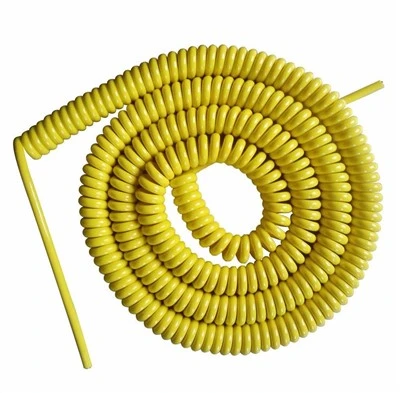
A power cord is an electrical component used for connecting appliances to an electrical utility or power supply. It is made from an insulated electrical cable with one or both ends molded with connectors. One end is typically a male connector or a plug that goes into the electrical receptacle, wall outlet, or extension cord. The other end is a female connector that is attached to the appliance or to another male connector. This female connector is sometimes omitted in appliances and replaced by a fixed cable.


How Do Power Cords Work?
Power cords are essential components in the transmission of electrical energy from a power source to electrical devices and appliances. They consist of several key elements that work together to enable the safe and efficient flow of electricity. At the core of a power cord is one or more conductors, typically made of copper or aluminum. These conductors serve as pathways for the electrical current to travel from the power source, such as a wall outlet or a power supply unit, to the device it's intended to power.
Surrounding the conductors is an insulating material, usually made of rubber or plastic, which serves to protect the user from coming into direct contact with the live electrical wires. Additionally, power cords often feature an outer sheath for further protection and durability. At each end of the power cord, there are connectors, such as plugs and sockets, that allow for easy and secure connection to both the power source and the device. The connectors are designed to ensure a proper electrical connection and to prevent accidental disconnection.
The functionality of power cords is based on the principles of electrical conductivity, insulation, and mechanical durability. When plugged into a power source, the conductors within the cord allow electrons to flow from the source to the device, providing the necessary electrical power. The insulating material surrounding the conductors prevents electrical leakage and ensures that the current follows the intended path. Power cords are designed to handle various voltage and current levels, which is why you'll find different types and sizes of cords for different applications. Power cords are a fundamental component of modern electrical systems, enabling us to power our electronic devices safely and conveniently.
Types of Power Cords
AC Power Cords
AC power cords supply alternating current from a power source to electrical equipment or appliances. They are used with applications like electrical power tools, lighting, household appliances, musical instruments, shop equipment, and for personal uses.
NEMA Power Cords
NEMA power cords are the standard for North American electrical plugs, cord voltage capacities, and electrical receptacle configurations. The most common NEMA plugs used to be Type A with two conducting blades or prongs. Type A plugs have been replaced by Type B, which has an additional third grounding rod. The international configuration of plugs varies extensively with many countries using some form of type A plugs.
NEMA 5 15p Power Cords
NEMA products range from 15 to 60 amperes and 125 to 600 volts. They are differentiated by their classifications. All NEMA 1 power cords have a two-prong design, while NEMA 5 power cords have a three-prong configuration. NEMA 5 devices are three-wire grounding devices that are rated for a maximum voltage of 125. The 5 15 rating, specifically, is a grounded version of a NEMA 1 15 device. Devices that are classified as NEMA 6 and up are typically used to direct power to large machines or household appliances.
Generator Power Cords
Generator power cords are available in a wide range of styles that include 15 amp ratings to 30 amp ones along with a series of different connectors. The most common types of generator power cords are 5, L5, L14, 14, TT and CS, which are related to the receptacle labels where L14-30P means that it is a twist lock, 30 amp plug. There are several options when looking for a generator power cord with different connectors from generator power cord manufacturers, who can produce custom power cords in order to ensure the exact wire sizes and minimize voltage losses for a desired wire length.
Power Supply Power Cords
A power supply cord, or electric cord, serves as a connector between an electrically powered piece of equipment and an electric power source. Power supply cords are used to power lighting and sound equipment, power tools, and household appliances. They consist of copper wire protected and insulated by rubber or some form of polymer and can be detachable or permanently connected.
Cord Sets
Cord sets conduct electricity and involve a conductor, such as copper wire, insulation material, and a protective covering. Other components include electrical fuses to prevent surges in voltage, a current leak detection component, and a method for monitoring voltage. With sensitive equipment, protective material is included to minimize the effects of electromagnetic interference (EMI).
How to Buy the Right Power Cord
Before you shop, understand the specific type of appliance you will connect with the cord. Different appliances have unique needs when it comes to power connections. For instance, a power cord for an air conditioner or fridge will need to be heavy-duty to transmit current effectively.
Some cords have three plugs, while others have two. Some have an elongated plug design that looks like sticks, while others only have holes. Understand the specific plug design of the appliance to avoid buying a cord that won’t fit.
Some cords are long, while others are very short. Longer cords are great when the device is distant from the power source, although they consume much more electricity than the shorter ones. Managing the lengthy cords can also be hard if you have kids. Always go for the shorter ones unless it’s inevitable that you will use the long ones.
Power cords can hold different electricity amperages. As such, knowing how much a cord can transmit and hold is vital. Cords that transmit 15mp and above tend to be thicker, as the insulation materials are wider. Understand your appliance’s voltage needs and pick a cord to manage them effectively.
The environment greatly influences the type of power cord you should use. In areas with extremely low temperatures, you will need a thick cable with thick insulation material. Similarly, a thinner one may be preferred in hot areas to prevent overheating.
Plug & Form Factor
Identifying which power cords you need can be confusing. There are dozens of different NEMA & IEC jacks and plugs. The problem is even more compounded when you add-in international plugs. We have created this helpful chart to help you identify which power cord you need.
Length: Longer is Not Better
After deciding which plug or jack (inlet or outlet) you need, you need to decide on the length. This is especially true for data center applications. Excess cord leads causes restriction of airflow, causing cooling systems to work harder. It also takes more energy to push electricity over longer cables. If you have hundreds or thousands of power cords, that adds up to a lot of extra dollars spent on increased electrical costs. Finally, longer cords are harder to manage and troubleshoot. So when picking a power cord, smaller is always better.
Gauge and Amperage: Efficiency & Safety Considerations
The amperage rating of a cable is directly tied to the gauge or thickness of the inner conductors. Larger gauge cable carries electricity more efficiently and can handle a higher load. It is crucial to buy a cable that is rated properly. If you run a 15 amp load through a 10 amp cable, the results will be disastrous and you risk equipment damage or even a fire.
Color: Unlock the Power of Color Coding
Different color power cords can help you devise a system to manage your equipment.
Quality You Can Trust
The average cost of a data center outage is $730,000. Don’t let the power cords be the culprit. Our power cords go through rigorous testing and certification processes to make sure they are reliable for years to come.
Visual inspection
First, visually examine your power wires for signs of damage or wear. Inspect for frayed or worn insulation, exposed wires, fractures or breaks in the exterior casing, and loose or broken plugs. Pay special attention to regions where the cord bends or flexes, as they are more susceptible to damage over time.
Check connections
Make sure that the plugs and connections are properly linked to the cord and free of corrosion or dirt. Loose connections can cause overheating and electrical arcing, posing a fire risk. If you see any evidence of rust or buildup, thoroughly clean the connections with a dry cloth or brush.
Test continuity
Check the power cord's whole length for continuity with a multimeter or continuity tester. This test ensures that the conductive channel is continuous and free of breaks or disruptions. If the continuity test fails, it indicates a possible break in the wire, necessitating additional investigation or repair.
Proper storage
Keep your power cables in a cool, dry area out of direct sunlight and moisture. Avoid bending or coiling the cables tightly, since this can put stress on the wires and cause damage over time. To keep wires tidy and tangle-free, use cable organizers or Velcro ties.
Avoid overloading
Never overload power cables by plugging too many gadgets or appliances into a single outlet or power strip. Overloading can result in overheating and an increased danger of fire. To protect yourself from voltage spikes and fluctuations, use power strips that have surge protection.
Handle with care
Handle power cables with caution, avoiding sudden bends, twists, or tugs that might strain the wires. When disconnecting gadgets, firmly grab the plug and pull it straight out of the outlet rather than tugging the cable. This helps to avoid damage to the plug and connector.
Regular inspection schedule
Set up a regular inspection plan for your power cords, preferably every three to six months or whenever you observe symptoms of wear or damage. To guarantee accountability and consistency, keep records of inspections as well as any maintenance or repairs conducted.
Features of Power Cables
Easy to Use
Power cables are known for their user-friendly design, making them easy to both use and install. With standardized connectors and straightforward construction, individuals, industries, and households find them accessible for various applications. The simplicity in handling power cables contributes to their widespread use in permanent building wiring, underground installations, overhead configurations, and exposed setups.
Voltage Rating
The voltage rating indicates the maximum voltage a cable can handle without breakdown. Choosing a cable with the appropriate voltage rating is crucial for safety and efficiency.
Current-Carrying Capacity
Current-carrying capacity is a critical factor in determining the amount of electrical current a cable can transmit safely. This feature is vital for preventing overheating and system failures.
Insulation Material
The choice of insulation material affects the cable’s resistance to environmental factors, temperature, and mechanical stress. Different applications may require specific insulation materials for optimal performance.
Environmental Considerations
Power cables used in outdoor or harsh environments must be designed to withstand factors such as moisture, UV exposure, and extreme temperatures.
Certifications


Our Factory
We started small business such as many small electric wires manufacturing, but now we become one of the leading ship manufactures in cable assembly industry. Today we have been one of the high quality cable assembly and wire harness manufacture in China.


FAQ