


Wire Harness
Why Choose Us
Our History
Company have focused on cable assembly and wire harness industry over 8 years in China. We started small business such as many small electric wires manufacturing, but now we become one of the leading ship manufactures in cable assembly industry.
Our Factory
Is located in Huizhou City Guangdong Province China, a beautiful city which has complete supply chain. We supply high quality and competitive cost cable assembly and wire harness products to customers all over the world.
Production Market
We have customers from both domestic market and oversea market. have professional sales managers can speak fluent English for good communication with oversea customers, also can provide professional technical support to customers.
Our Service
Can provide OEM/ODM on cable assembly and wire harness products, provide design, DFMEA/PFMEA support for customer, also we provide good after sell service for customers.
What is Wire Harness?
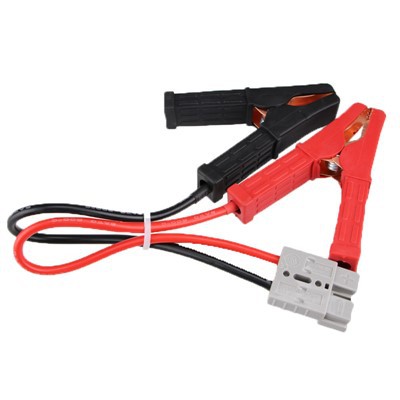
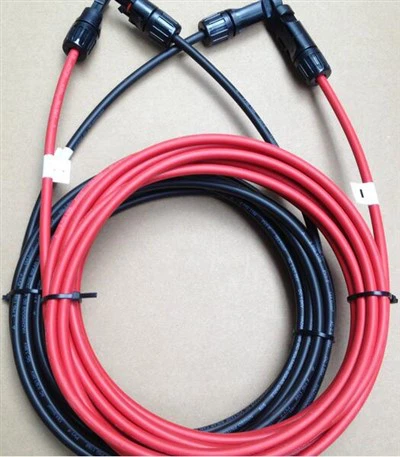
A wire harness is a bundle of cables and wires, plus the components used to sheathe, support, and organize them. These elements include tapes, sleeves, and ties, which keep cables in the optimum position for transmission. Wire harnesses are designed based on the electrical and geometrical requirements of the application and are used to simplify the connection to larger components.




How is a wiring harness created?
The electronic contents inside an automobile are increasing day by day and posing newer challenges in terms of managing the wiring harnesses that connect them.
A wire harness is a specially designed system that keeps numerous wires or cables organized. It is a systematic and integrated arrangement of cables within an insulating material.
The purpose of the wiring assembly is to transmit a signal or electrical power. Cables are bound together with straps, cable ties, cable lacing, sleeves, electrical tape, conduit, or a combination thereof.
Rather than manually routing and connecting individual strands, the wires are cut to length, bundled, and clamped to the terminal or connector housing to form a single piece.
The wiring harness is created in two stages. It is designed in a software tool first and then the 2D and 3D layout is shared with manufacturing plants to build the harness.
The specific process of vehicle wiring harness design involves the following steps:
First, the electrical system engineer provides the functions of the entire electrical system, including the electrical load and related unique requirements. The state of the electrical equipment, the installation location, and the form of connection between the wiring harness and the electrical equipment are all key considerations.
From the electrical functions and requirements provided by the electrical system engineer, the complete vehicle electrical schematic is created by adding components required for a function and connecting them together. The functions which are commonly used across multiple vehicles in an architecture platform are stored together.
After the schematic is defined, the wiring harness design is created. In one platform, the end customers can have a variety of requirements. It is very time-consuming and expensive if different designs are created for each end user’s requirements separately. So, the designer takes care of the multiple variants while designing the wiring harness.
At the end, a 2D representation of all the wiring designs is created to show the way different wires are bundled and how the bundles are covered to secure the wires. End connectors are also shown in this 2D diagram.
These designs can interact with 3D tools for the import and export of details. The wire lengths can be imported from the 3D tool and the end-to-end connection details are exported from the wiring harness tool to a 3D tool. The 3D tool uses these data to add passive components such as straps, cable ties, cable lacing, sleeves, electrical tape, and conduits in relevant locations and send them back to the wiring harness tool.
Automotive Industry
Wire harnesses are used in vehicles for a variety of purposes. Most importantly, they are used to relay information, signals and also electric power.
Flight Simulators
Wire harnesses are utilized in the airspace industry also. Flight simulators have to transmit information and power while complying with numerous performance standards and tight spacing parameters. That’s where wire harnesses are used. They are used for the required transmission.
Flat Panel Displays
Flat screens also use wire harnesses. They are used to keep the wires in these displays organized and to eliminate electromagnetic interference.
Heavy Machinery And Equipment
Mostly, they are integrated with very heavy equipment that is used in the construction industry and other industries.
Crypto Mining Farms for PDU’s or Power Distribution Units
A crypto mining farm is essentially a data center. While data centers typically house bit coin mining servers for web resources and storage.
Ruggedized Computers
Computers that have been used in harsh environmental and military conditions are often called ruggedized computers. These computers use wire harnesses to protect the internal wires from dust and damage. Wire harnesses also offer protection from dirt, moisture and other damaging elements.
How is a wire harness designed?
Specification of the requirements
The first step in designing a wire harness is to specify the requirements of the application. This includes determining the electrical characteristics that the wire harness must meet, such as voltage, current, measuring the client's application and impedance, as well as the environmental conditions that the harness must be able to withstand.
Component selection
Once the requirements are specified, the next step is to select the appropriate wires, cables, and connectors for the harness. This involves choosing components that meet the specified electrical and environmental requirements, as well as any other requirements such as size, weight, and cost.
Routing and bundling
The next step is to determine the routing of the wires and cables within the harness and bundle them together in a way that ensures proper insulation and protection. This involves selecting the appropriate connectors, sleeves, and other components to ensure that the harness is durable and reliable. Also, things like labelling are considered.
Testing and validation
Finally, the wire harness must be tested and validated to ensure that it meets the requirements of the application. This involves performing electrical tests to ensure that the harness is functioning correctly, as well as environmental tests to ensure that it can withstand the specified environmental conditions.
Importance of Wiring Harness
Facilitates Application
Cables or wires connected outside a harness are likely to get messy. A wire harness clears the area of clutter and gives electrical transmission a single source of connection, and a tidy, organized appearance. Therefore, it is easier to connect a single group of clamped wires to one connection rather than having numerous wires, each connected to a different set of slots.
Quality & Durability
An important characteristic of wiring harnesses is that they are manufactured using computerized machines reducing the chances of defects.
Time-Effective Installation
There are kilometers of wiring required to put together a single piece of equipment. Installing all these wires individually and manually is a daunting task. When all these cables and little parts are integrated into a single apparatus, a tremendous amount of manufacturing time is saved. Such an organized system also reduces the chance of human error.
Secure Connections
When wires and cables are bound together systematically in a single harness, a variety of security issues are resolved. The wires are protected from damage from moisture or abrasions as they have a defined position. Wires placed in a non-flexing bundle ensure the optimal utilization of space. Further, a wiring harness is also extremely functional in preventing short circuits and fires, because the harness is always created inside insulated, secure material.
Top Advantages Of Using A Wire Harness
Simplified Installation
Wire harnesses are made pre-assembled, reducing the complexity of installation processes. This saves time and effort during assembly.
Improved Reliability
The structured bundling of wires and cables in a harness reduces the risk of loose connections, short circuits, and other electrical issues, enhancing overall system reliability.
Space Efficiency
Wire harnesses are designed to fit specific spaces and configurations, optimizing the use of available space and promoting a neat and organized appearance.
Enhanced Durability
Wire harnesses protect wires and cables from environmental factors such as abrasion, moisture, and vibration, thereby increasing the overall durability and lifespan of the electrical system.
Cost Savings
Although there may be an initial investment in manufacturing wire harnesses, they often result in cost savings during installation and maintenance due to reduced labor and lower chances of errors.
Ease of Troubleshooting
The organized and labeled nature of wire harnesses simplifies troubleshooting and maintenance tasks. Technicians can quickly identify and address issues without spending excessive time on diagnosis.
Standardization
Wire harnesses facilitate standardization in manufacturing processes, ensuring consistency and quality across products. This can be particularly beneficial in mass production scenarios.
Improved Electrical Performance
Proper bundling and shielding of wires within a harness help minimize electromagnetic interference (EMI) and radio frequency interference (RFI), leading to improved electrical performance.
Time Savings
The plug-and-play nature of wire harnesses speeds up assembly and installation processes, reducing production time and increasing overall efficiency.
Basics To Know About Wire-Harness Design
Purpose
This is indeed basic, but it’s very necessary for designing the most reliable wire harness possible for your application.
Wire selection
Always review relevant standards, which provide guidance on the selection of suitable wires for specific applications. This will ensure that the wire you ultimately choose meets the necessary requirements. That said, here are the major factors to consider when designing your wire-harness assembly.
Wire connection
Connectors create an electrical circuit while helping to protect your wires from environmental conditions, such as abrasion and EMI.
Routing
The routing of wires plays a major role in successful cable harness design. First, ensure that wires are routed in a way to make accessibility easy. Optimum positioning is key. You want the harness to be easy to install and maintain. If any wires need replacing or repairing, that should be easy too.
Strain relief
Designing wire harness assemblies for strain relief will prevent headaches. Failure to do this can result in wires becoming loose or breaking due to vibration, pulling, or other forces. This is especially important in applications where the wire harness is exposed to high levels of mechanical stress.
Wire-harness diagram
It’s critical to get it right in the early stages, so it’s advisable to not attempt your wire-harness diagram by hand. The well-designed wiring diagram is created using a good wire-harness design tool such as computer-aided design or ECAD.
Protective covering
The wire harness should be covered with a protective sheath or sleeve to protect it from damage. Providing an extra layer of insulation will protect your wires and cables. This involves understanding the environmental conditions the wire harness will be subjected to and the material of your protective covering.
Testing
Always keep testing in mind, even in the early design stages. It’ll help keep you on your toes. Don’t overlook anything when testing your prototype, or you risk downtime at the Quality Control stage and you’re back to the design table. Make sure you have the proper equipment that can check electrical integrity. It should be able to locate faults across all conductors of the Unit Under Test (UUT) without human intervention.
Documentation
Documentation is critical for after-sales & service technicians. This includes an intelligent, technical publications export that includes the schematic design and all connector information, along with locations embedded into a simple online/offline viewer. This makes your technical publications easy to generate and for your service engineers to understand.
Compliance
The design and manufacturing process of wire harnesses are subject to regulations and standards. Make sure that your harness design complies with these.
Certifications


Our Factory
We started small business such as many small electric wires manufacturing, but now we become one of the leading ship manufactures in cable assembly industry. Today we have been one of the high quality cable assembly and wire harness manufacture in China.


FAQ